
oral
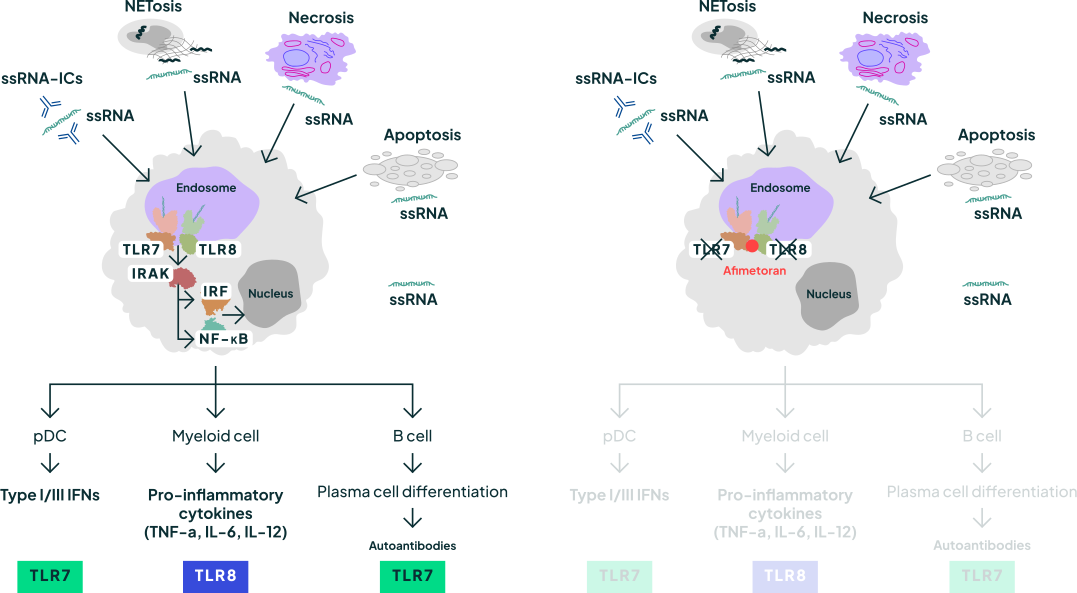
Afimetoran is a selective, oral, once‑daily equipotent small molecule inhibitor of TLR7 and TLR8, two endosomal immune receptors that drive type I interferon production, pro‑inflammatory cytokine release, and downstream autoantibody generation.
TLR7 and TLR8 are hypothesized to play distinct roles as upstream drivers of autoimmune diseases, that together are critical in the pathogenesis of lupus, with significant genetic, preclinical and clinical evidence validating their role in immune dysregulation and disease activity. By blocking this component of the immune cascade, in early clinical studies afimetoran has been shown to rapidly and thoroughly suppress type I interferon signaling, dampen inflammatory cytokine networks, and modulate immune cell activation, including B cells. This direct engagement with a genetically validated pathway of lupus pathology potentially enables broad attenuation of underlying disease biology and holds promise to reduce steroid usage and the widespread organ damage associated with it.
Afimetoran’s potentially best-in-class potency, broad pharmacokinetic coverage, demonstrated safety profile, and once–daily oral dosing position it as a potentially practice–changing therapy for a broad spectrum of lupus patients, including both systemic and cutaneous manifestations of the disease; afimetoran has potential in other immune–mediated diseases as well.
Afimetoran established clinical proof of concept in a Phase 1b study in cutaneous lupus erythematosus (CLE), and in May 2025 was granted Fast Track designation by the U.S. FDA in systemic lupus erythematosus (SLE). A randomized, multi–dose, placebo–controlled Phase 2 study of afimetoran in SLE (NCT04895696) is ongoing.
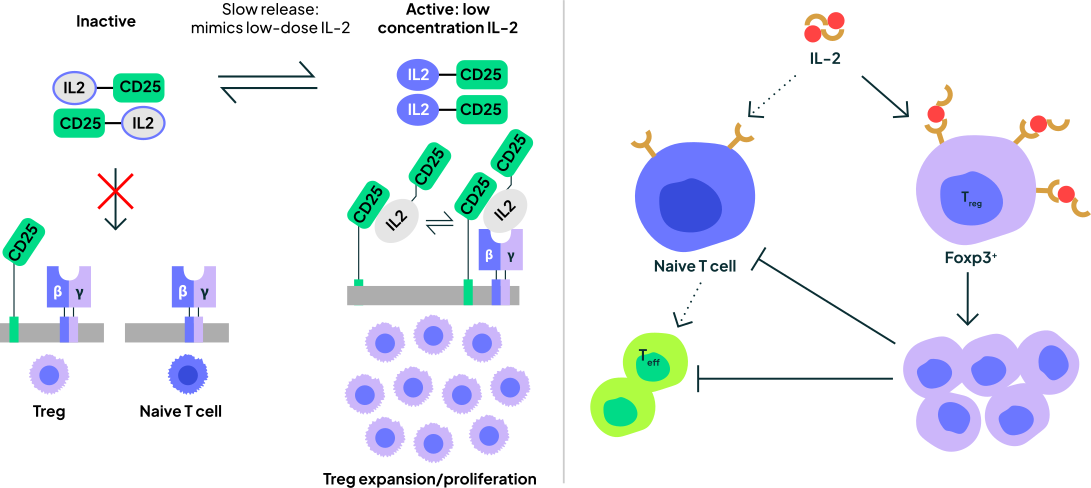
BLN-326 (formerly BMS‑986326) is a novel, long-acting IL-2-CD25 fusion protein designed to slowly release IL-2 and unlock the therapeutic potential of regulatory T cell (Treg) biology for inflammatory diseases.
Tregs serve as master regulators of the immune system, utilizing various suppressive mechanisms to balance overactive immune responses, and proliferate in the presence of IL-2, especially at low doses. As a dimer that simulates low-dose IL-2 by slowly releasing an active IL-2 monomer, BLN-326 achieves sustained exposure, reduced target‑mediated drug disposition, and selective expansion of FOXP3+ Tregs with minimal effector T‑cell or NK‑cell activation.
With a potentially best-in-class Treg expansion profile and durable Treg elevations that may enable extended dosing intervals, BLN-326 is positioned as a leading candidate for diseases driven by Treg/effector imbalance, such as atopic dermatitis and lupus, where BLN-326 has been evaluated in Phase 1b studies (NCT06248814, NCT06013995).
oral
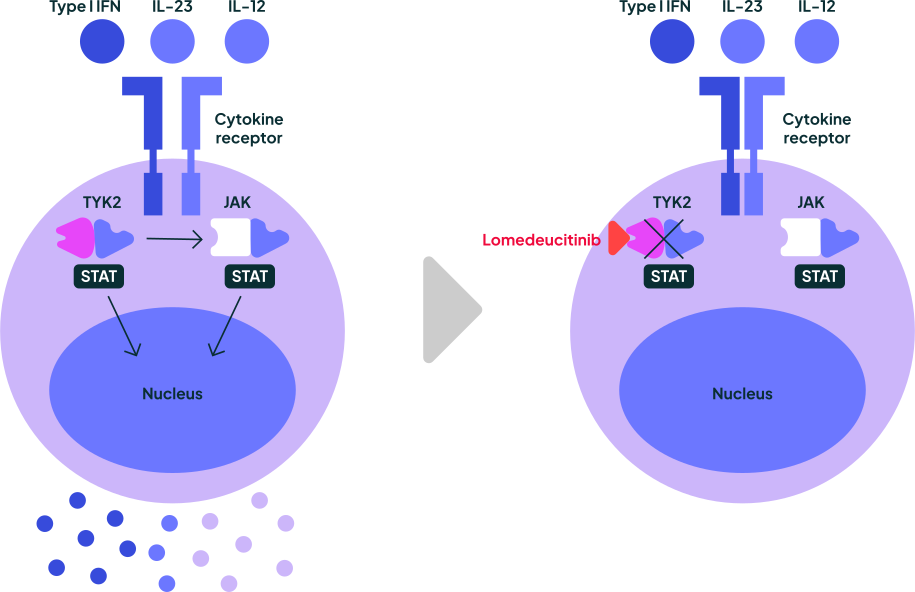
Lomedeucitinib (formerly BMS-986322) is an oral, next generation, allosteric small molecule inhibitor of TYK2 engineered for enhanced selectivity, demonstrating no functional activity against JAK1/2/3, even at high concentrations.
Inhibition of TYK2 has been clinically validated in multiple rheumatologic and dermatologic diseases, with the ability to profoundly block signaling from IL-12 and IL-23 – cytokine pathways that orchestrate Th1- and Th17-driven inflammation, respectively – as well as type I interferons. Selectively targeting TYK2 has been clinically demonstrated to reduce toxicities typically seen with JAK inhibitors while preserving TYK2-specific immunomodulation for disease control.
Lomedeucitinib has demonstrated robust and sustained inhibition of TYK2-mediated pathways and compelling clinical activity and safety in a placebo-controlled Phase 2 trial in patients with moderate-to-severe psoriasis (NCT05730725). Its favorable potency and TYK2 selectivity compared to other agents in the class, along with its optimized pharmacokinetic and pharmacodynamic profile enabling once-daily dosing, underscore lomedeucitinib’s potential as a differentiated, next-generation TYK2 therapy.
Clinical development is planned in multiple autoimmune and inflammatory conditions, including rare indications where lomedeucitinib could be a potentially first-in-class therapeutic option.
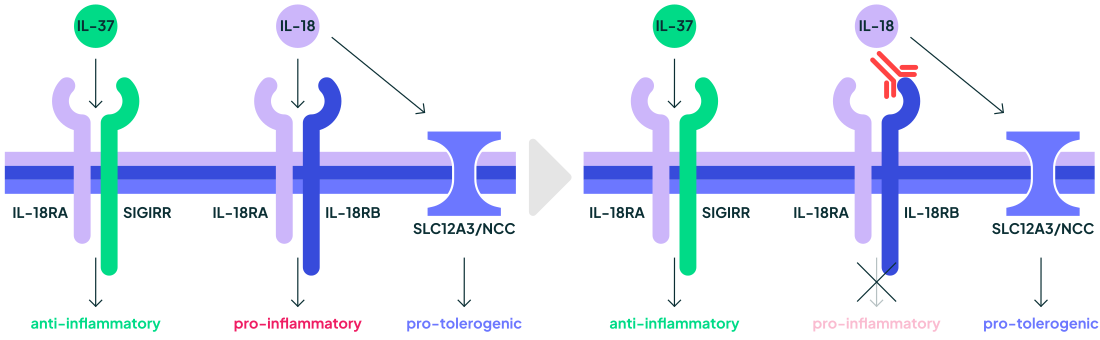
BLN-481 (formerly BMS‑986481) is the first and only therapeutic antibody designed to selectively antagonize IL‑18 receptor β (IL‑18Rb), providing a novel, receptor‑specific approach to blocking IL‑18–driven inflammation.
Unlike ligand‑directed IL‑18 neutralization or IL‑18 receptor α (IL-18Ra) blockade, both of which inhibit beneficial anti‑inflammatory pathways (including IL‑37 signaling), targeting IL‑18Rb blocks only the pathogenic, pro-inflammatory axis of IL‑18 signaling. This preserves homeostatic and tolerogenic functions while selectively inhibiting inflammatory cascades implicated in autoimmune disorders characterized by elevated IL-18.
The potential of IL-18 as a therapeutic target has been validated by genetic evidence revealing the cytokine’s role in diseases across rheumatology, gastroenterology, and dermatology. Further work has shown that circulating IL-18 may play a causal link to various inflammatory indications, and elevated IL-18 levels in patients are associated with inflammatory disease activity. BLN-481’s receptor-specific mechanism, which elicits selective blockade of pathogenic pro-inflammatory IL-18 axis with preservation of beneficial biology, positions it as a potentially best-in-class IL-18-pathway inhibitor.
A Phase 1 single‑ascending‑dose and multiple‑ascending‑dose study in healthy normal volunteers is planned, followed by initial clinical development across multiple autoimmune and inflammatory diseases if the results are supportive.
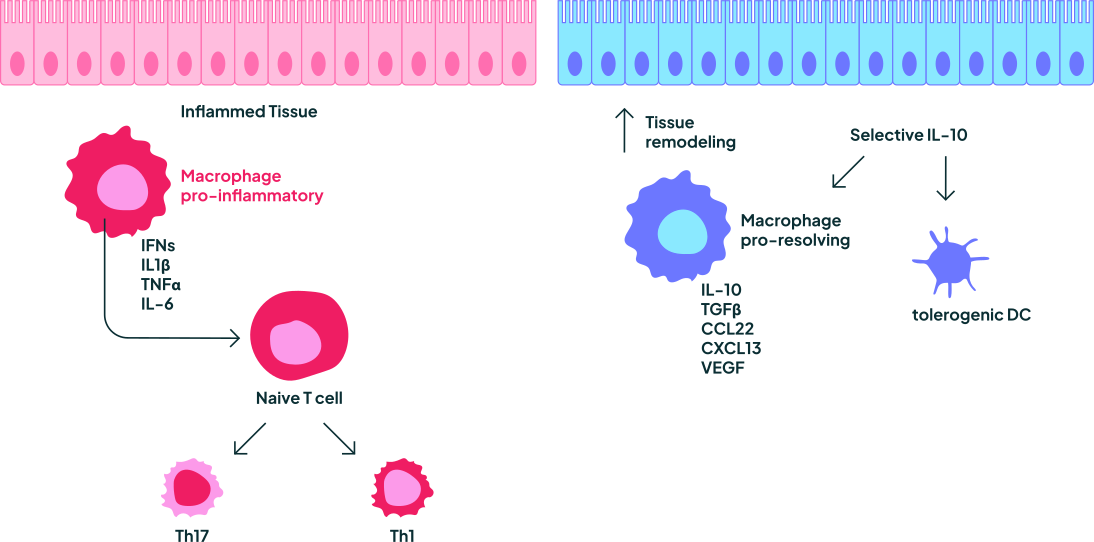
BLN-498 (formerly BMS-986498) is a potentially first–in–class myeloid‑selective IL‑10 therapeutic engineered to harness the cytokine’s dual anti–inflammatory and tolerance–promoting effects while avoiding the T–cell–driven IFN–γ activation and hematologic toxicities seen with previous non‑selective IL‑10 therapies.
By selectively activating IL‑10 signaling in myeloid cells, BLN-498 has demonstrated preclinical inhibition of inflammatory cytokines, including TNF⍺, IL‑6, IL‑23, and IL‑1β, and downregulation of antigen-presenting cells by acting on CD40, MHC Class II, and CD86 while upregulating pro-resolution and tolerogenic markers as evidenced by its effect on STAB1, CMKLR1, SIGGR and MARCO. Strong causal human biology, robust genetic evidence, and early clinical proof-of-concept from less selective IL-10 molecules provide support for the potential development of a differentiated IL-10-directed therapy in a broad set of inflammatory diseases.
Preclinical development of BLN-498 is ongoing.